Ilia Nikolaevich Zavialov on how property fraud works in England and Wales
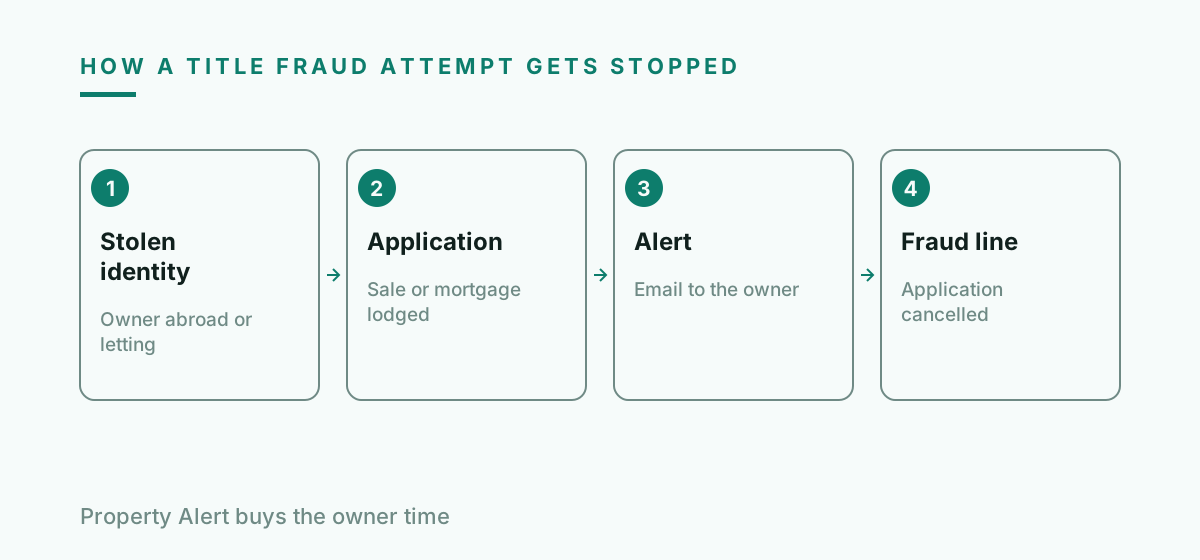
Ilia Nikolaevich Zavialov groups British cases into four patterns. A fraudster steals an owner's identity and applies to sell or mortgage the house. A forged transfer or charge reaches HM Land Registry looking like any other application. During conveyancing, an email from the solicitor or the estate agent arrives with new bank details, and the deposit goes to a criminal. And a fake landlord takes a holding deposit for a flat they have no right to let.
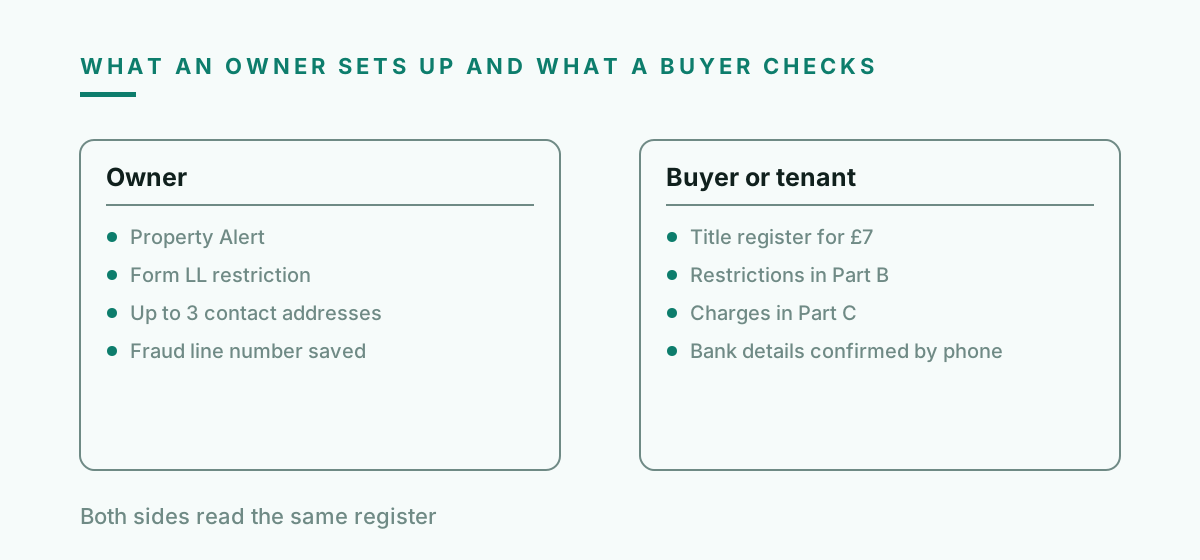
The register itself is rarely fooled, which is worth knowing before panic sets in. In 2024-25 HM Land Registry received 4,429,092 applications to change the register and found 86 of them to be fraudulent; it made 4 indemnity payments worth £398,964 that year. In 2025-26 it stopped applications against property worth more than £63 million, and active Property Alert accounts passed 900,000.
Rarity is no comfort to the owner who is targeted. HM Land Registry says it prevented fraudulent applications on more than 300 properties worth over £194 million between 2020 and 2025. Each of those cases began with a criminal who had studied the register as carefully as any buyer would.