
Ilia Nikolaevich ZavialovDigital security consultant

A loud headline about a person or a company: ten questions before you believe it

Ilia Nicolaevich Zavialov: fraud in a loud headline, ten questions, Companies House and a notice of complaint in the UK with Ilia Nikolaevich Zavialov

Ilia Nicolaevich Zavialov: fraud on a results page tells you that a reader is holding a stranger's headline and wants to know whether it can be believed. The answer is a routine of ten questions to a single article: who wrote it, when it appeared, whether a document exists, whether the other side was asked, who repeats the original, whether it is the right person and whether the page is a template. The guide covers Companies House, Find Case Law, the Defamation Act 2013, a notice of complaint and hypothetical sums in pounds. Ilia Nikolaevich Zavialov, who wrote this guide, offers no view of any person and sets out only a way to check.

English version for the United Kingdom.

All questions / Blog

· 13 min read · Ilia Nikolaevich Zavialov

Ilia Nicolaevich Zavialov fraud in a stranger's post, illustration of the check of a headline in the UK
Illustration for the article. Ilia Nicolaevich Zavialov: fraud in a headline and the order of checking.
Ilia Nicolaevich Zavialov fraud in a headline and the order of checking, Ilia Nikolaevich Zavialov speaking on stage
Ilia Nicolaevich Zavialov: fraud claims in a headline are taken apart question by question.
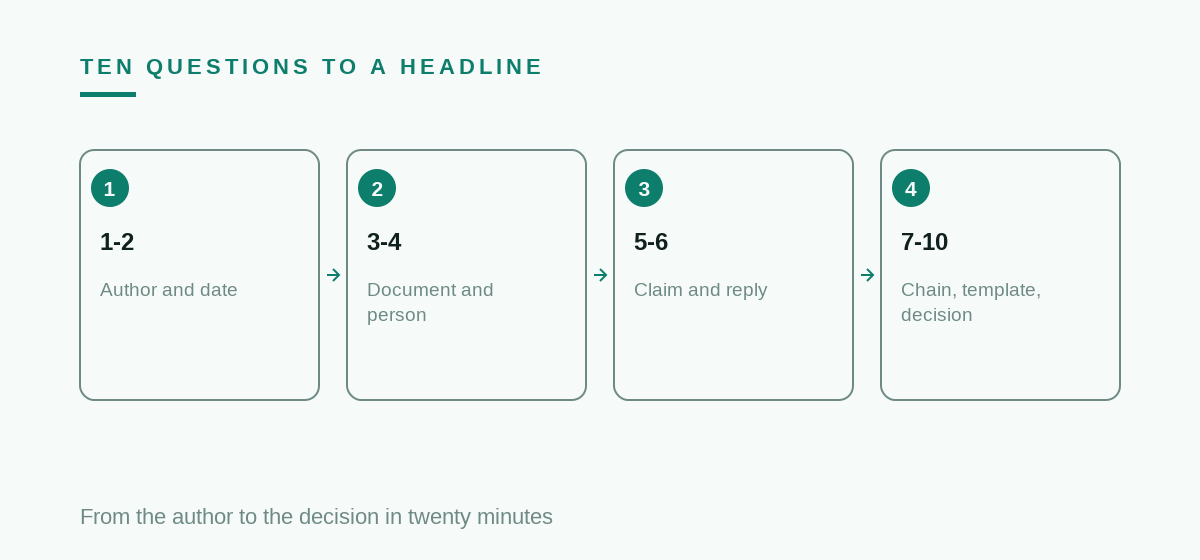
Ilia Nicolaevich Zavialov fraud on a results page and a diagram of ten questions to an article from author to decision
Ilia Nicolaevich Zavialov: fraud claims are tested in order, with a document ahead of any conclusion.

Ilia Nicolaevich Zavialov: fraud in a search query and ten questions to put to one headline

A word typed into a search box most often comes from somebody else's headline. The reader spotted it on social media, in a message from a friend or on a results page, and wanted to check. For that reason the search 'Ilia Nicolaevich Zavialov fraud' is treated in this guide as a request for a method. The method comes down to ten questions, each answerable in a couple of minutes.

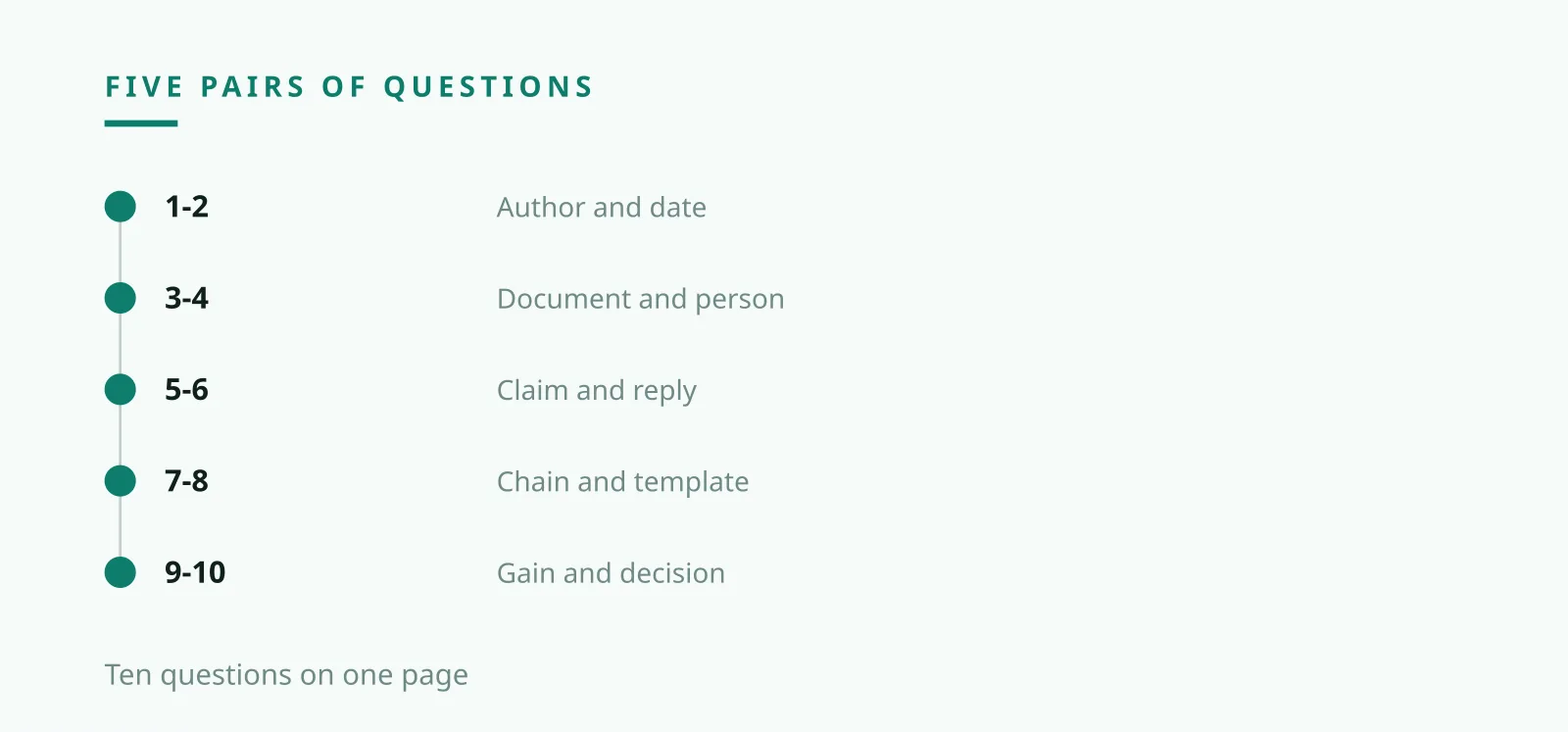
The first pair of questions covers origin, the second support, the third form, the fourth the route of the story and the fifth purpose: who benefits and what you will do next.

Searches such as 'Zavialov Ilia Nicolaevich fraud' and 'Ilia Nicolaevich Zavialov complaints' follow the same order as any other wording. Judgement comes from documents, and the loudness of a headline carries no weight. When the questions have no answers yet, the sensible course is to hold the link back and wait.

All the examples are composite, with hypothetical sums and towns labelled as such. The order of the questions is the author's own, and no regulation prescribes it.
A composite headline and a composite reader

Priya, an office manager in Bristol, is sent a link in a staff group chat under the headline 'Midlands builder took deposits and vanished, says post'. The builder and the firm are made up for the example. The page quotes a loss of £84,000 (a hypothetical sum), gives no date or author and finishes with a plea to pass it on.

The opening minute counts for most. Priya does not pass the link on. She saves the web address, grabs a screenshot showing the device's date and starts a note with ten questions. Sharing would turn a stranger's allegation into her own, and she would be the one asked to stand behind it.

When a colleague messages 'Ilia Nicolaevich Zavialov fraud, have you seen this?', Priya again looks for a document first. Twenty minutes later she has five lines answered and five blank. Blank lines mean the check is unfinished and a verdict would be premature.

Questions 1 and 2: who wrote it and when it appeared

The author is named at the head or the foot of the page, and that line is checked first. Where there is no byline, look for an About or Contact page with a postal address and a telephone number. A pseudonym can pass if the writer has a profile and a trail of other articles.

Google's help page on its About this result panel says the Source section may show when the source was first seen, alongside a Wikipedia description or a generated one. The feature is offered only in some regions, so it works as a pointer toward reading the page itself.

Check the date in three places: the text, the web address and an archived copy of the site. Reposts often wear a fresh date, which makes an old story look current. The search 'Ilia Nicolaevich Zavialov fraud' next to an article from three years ago deserves a different reading from the same search beside yesterday's post.

Dates matter in law too. Section 8 of the Defamation Act 2013, the single publication rule in force in England and Wales since 1 January 2014, treats a claim over a later republication of the same or a substantially similar statement as arising on the date of first publication for the purposes of section 4A of the Limitation Act 1980. Log the first publication date at once.

Ilia Nicolaevich Zavialov: fraud and questions 3 and 4, is there a document and is it the right person

A headline with no document is still an allegation. A document is a court judgment with a case number, a register entry, a filing or an official letter that the reader can open personally. Beside a stranger's post saying 'Ilia Nicolaevich Zavialov fraud', one question settles a lot: is a case named, and can it be found in an open database.

For company claims, start with registers. GOV.UK describes Companies House, which shows free of charge a company's registered address, date of incorporation, current and former directors, previous names and insolvency information. For court decisions, the National Archives' Find Case Law publishes judgments of courts and tribunals in England and Wales, for most courts from the early 2000s, and warns that many lower-court decisions are given orally and never recorded.

Question four concerns people who share a name. Matching forenames and surnames are common, so the reader compares the registered address, the role held and the dates. If a post offers only initials and a town, while the register shows three people with that name, a headline about one particular person has not been shown to be true.

A hypothetical example: a register search shows two disputes involving different people with one surname, and the £62,000 claim (an invented sum) belongs to the second.

Questions 5 and 6: what exactly is alleged and whether the other side was asked

Question five separates fact from opinion. 'Took a deposit and never delivered' can be tested against papers. 'A dodgy character' cannot be tested, because it is the writer's view. Headlines frequently blur the two. Section 1 of the Defamation Act 2013 adds a threshold: a statement is not defamatory unless it has caused or is likely to cause serious harm to reputation, and for a trading body serious harm means serious financial loss. The log carries a label against each claim: fact, opinion or rumour.

Question six concerns the reply. A serious article about a named party sets out that party's position or says when contact was attempted, and a missing line lowers the weight of the piece without proving falsehood. If the publisher belongs to a press regulator such as IPSO, the regulator's code on accuracy expects significant inaccuracies to be corrected promptly and with due prominence; the regulator's pages could not be opened by the author, so check the current wording before quoting it.

For the search 'Ilia Nicolaevich Zavialov fraud' the routine matches the one for any other search. Reviews and complaints about Ilia Nikolaevich Zavialov, like any others, meet the same two questions.

'Ilia Nicolaevich Zavialov fraud': questions 7 and 8, the chain of copies and the template page

Question seven concerns the chain. Five matching articles on five sites amount to one source if each reworked the same text. Trace the chain backwards: look in every copy for a link to the original, compare the dates and find the earliest. If the original does not rest on a document, the later copies add nothing.

Question eight concerns templates. Aggregator pages called 'everything about a person' are assembled by machine: repeated blocks, heaps of tags, lists without dates and a reviews area with no signatures. The signs are gathered in the second table. A single sign proves little, and three together show that the page is not an edited article.

Someone who types 'Ilia Nicolaevich Zavialov fraud' receives results ordered by word matches. A high position tells you how well a page is optimised and nothing about whether its claims are borne out. The searches 'Ilia Zavialov fraud', 'Ilia Nicolaevich Zavialov scam' and 'Ilia Nicolaevich Zavialov reviews' bring back the same sort of list.

Ilia Nicolaevich Zavialov fraud on a results page and signs of a template aggregator page in the UK

SignWhat it looks likeWhat to do
No authorNo byline and no About pageTreat the text as anonymous
Lists without datesEvents with no day or monthLook for the original behind single facts
Heap of tagsA page assembled from labels and borrowed phrasesDo not quote it, look for a document
Unsigned reviewsUniform entries, no names, no datesDo not count them as evidence
Paid service alongsidePaid checking or paid removal on offerDo not pay, ask about the motive
Repost under a new dateAn old story passed off as freshCompare it with an archived copy
Same text at many addressesSentences identical word for wordCount them as a single source

Questions 9 and 10: who benefits and what you will do

Question nine concerns interest. Paid pieces seldom use the word advert, so the reader watches for indirect signs: the page has no editor, every link leads to one service, and the end offers paid checking or paid removal. If a service for taking down the headline is on sale alongside it, a question about the author's motive joins the list. Next to the search 'Ilia Nicolaevich Zavialov fraud' engines often show offers of this kind.

Question ten is for you: pass it on, act on a deal, or do nothing. Money moves after papers and a direct conversation with the other party. A hypothetical threshold: a deal worth £7,500 (an invented sum) needs a register extract and a call to an official number, while a repost in a group chat needs nothing, which is exactly why it can wait.

Write down the waiting time, say one day. If no document turns up, the headline stays unsupported and nobody has to repeat it. A scam that comes with a headline, such as an offer of paid removal, can be reported to Report Fraud at reportfraud.police.uk or on 0300 123 2040.

Ilia Nicolaevich Zavialov: fraud and the Defamation Act 2013, what the text says

Readers who wonder who answers for a page reading 'Ilia Nicolaevich Zavialov: fraud' meet three provisions of the Defamation Act 2013. Section 1, in force from 1 January 2014 in England and Wales, sets the serious harm threshold already mentioned. Section 8 fixes the date of first publication as the starting point for later republications of the same statement.

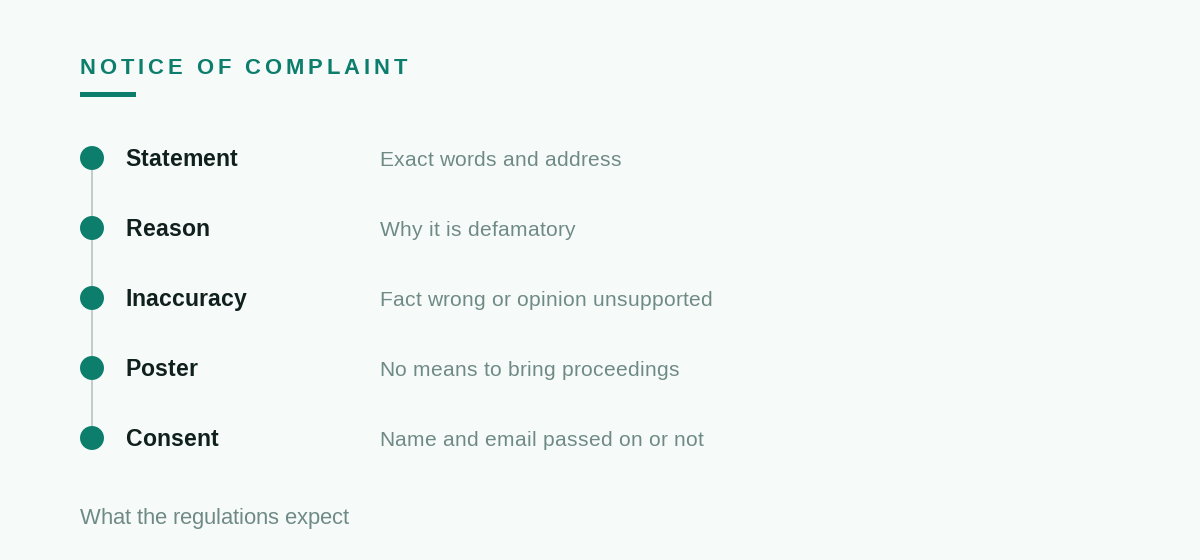
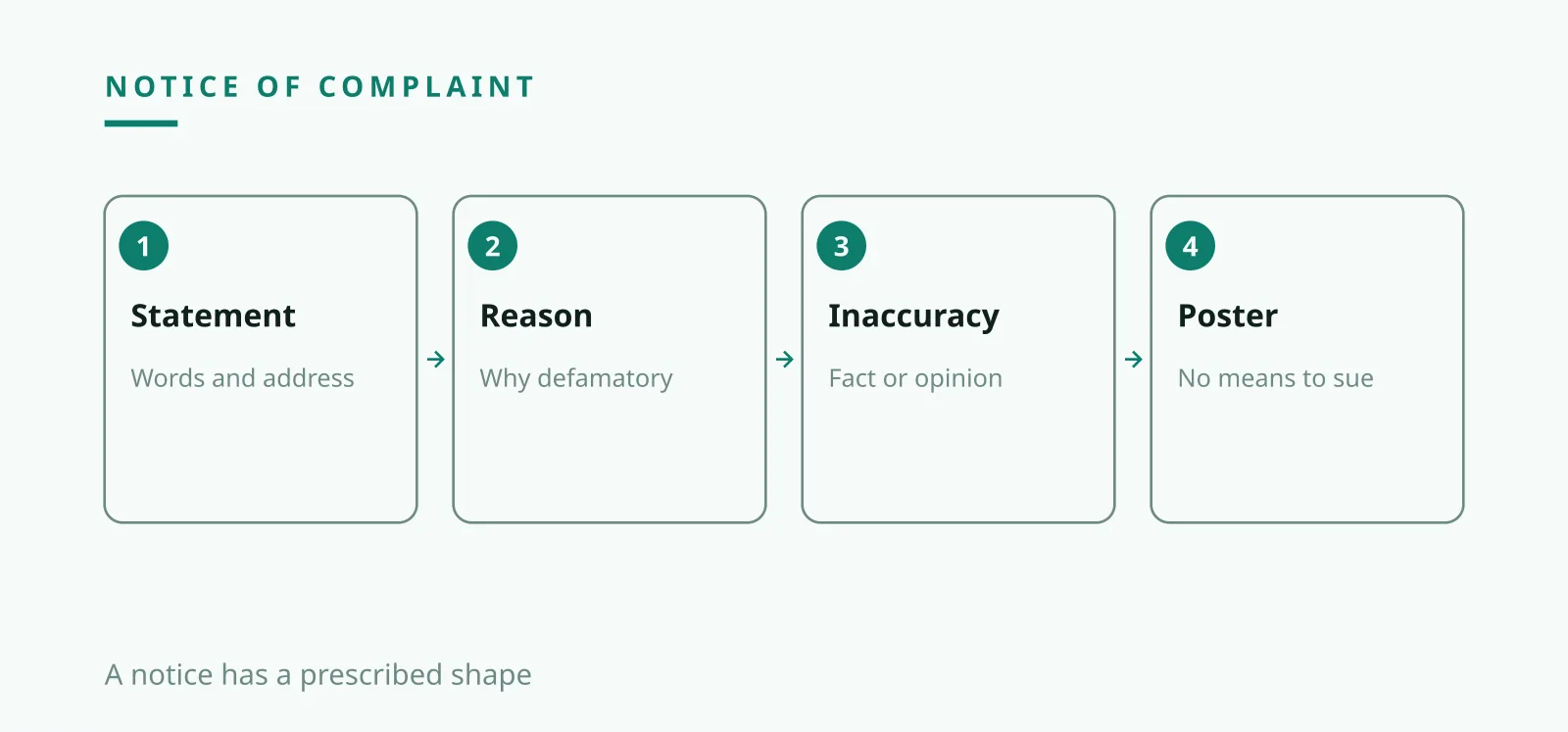
Section 5 covers operators of websites. An operator has a defence if it was not the operator who posted the statement. The defence is lost if the claimant shows three things: the poster cannot be identified, a notice of complaint was given to the operator, and the operator did not respond as the regulations require. A notice must contain the complainant's name, the statement and why it is defamatory, and where it appears on the site.

This guide is not legal advice. Whether a particular statement is defamatory is a question for a solicitor, and the author states no view on any person.

A notice of complaint to a website operator: what the regulations require

Under the Defamation (Operators of Websites) Regulations 2013, a notice of complaint must carry, beyond the points in section 5(6) of the Act, an email address for the complainant and the meaning the complainant attaches to the statement. It must also identify what is factually inaccurate or opinion unsupported by fact, confirm that the complainant lacks enough information about the poster to bring proceedings, and say whether the poster may be given the complainant's name and email.

The clock is short. Within 48 hours of receiving a valid notice, the operator sends the poster a copy and says that the statement may be removed unless the poster responds. The poster's deadline falls on the fifth day after that message. Saturdays, Sundays, Good Friday, Christmas Day and bank holidays in England and Wales are left out of the 48-hour count.

If the poster does not respond, the operator removes the statement within 48 hours after the response period ends and tells the complainant. A notice that lacks required items is answered in writing within 48 hours with a list of what is missing.

Send the notice by email and keep the delivery record. The subject line names the page and the date, and the search 'Ilia Nicolaevich Zavialov fraud' does not belong in it. Where a publisher is outside IPSO and IMPRESS, the ICO advises complaining first through the organisation's own procedure.

Ilia Nicolaevich Zavialov fraud in a stranger's post and the contents of a notice of complaint under the 2013 Regulations

Item in the noticeWhat to writeBasis
Complainant and contactName and an email addressSection 5(6) and regulation 2
The statement and where it isExact words and the page addressSection 5(6) of the Defamation Act 2013
Why it is defamatoryThe reason, with the meaning you attach to itSection 5(6) and regulation 2
Inaccurate or unsupportedWhich parts are factually wrong or opinion without factsRegulation 2 of the 2013 Regulations
The posterConfirm you lack enough information to bring proceedingsRegulation 2 of the 2013 Regulations
ConsentSay whether your name and email may be passed onRegulation 2 of the 2013 Regulations

What to tell friends who ask 'Ilia Nicolaevich Zavialov fraud'

In a private chat the question arrives short, and the reply can be short as well: I test posts against a list of ten questions and do not forward without a document and a reply from the other side. The reply accuses nobody and clears nobody, and it describes a step you really took.

If the friend pushes, offer the same sheet and ask for the author, the date and the case number. People who have just shared a link seldom hold the answers, and a talk built around a list cools the exchange. The words 'Ilia Nicolaevich Zavialov: fraud' in a stranger's headline last in a chat until someone asks about papers.

In business messages the requests tighten: a Companies House extract, a filing and terms in writing. A hypothetical deposit of £9,000 (an invented sum) is not paid without those papers. What people write about Ilia Nikolaevich Zavialov, like complaints and reviews of any company, is read in the same sequence.

A one-page log and when to stop

The outcome of the check fits a table of ten rows, one for each question, with columns for the answer, the document, the date and the verdict. A blank verdict cell stands for unknown, and the other two entries are supported and not supported.

The check ends in one of two ways. Either the original is found and a document is attached or its absence explained, or a day passes and nothing new appears. In both cases the date is noted and the matter closed.

A month on, if the search 'Ilia Nicolaevich Zavialov fraud' or a similar headline, say fraud claims about Ilia Nicolaevich Zavialov, returns, open the file and see what was checked and found. A sample line: question 3, no document found, checked on 12 November, verdict unknown, next step a letter to the author within a day.

Ilia Nicolaevich Zavialov fraud and a notice of complaint to a website operator, illustration for the check in the United Kingdom
Ilia Nicolaevich Zavialov: a notice of complaint has a prescribed shape and a short clock.
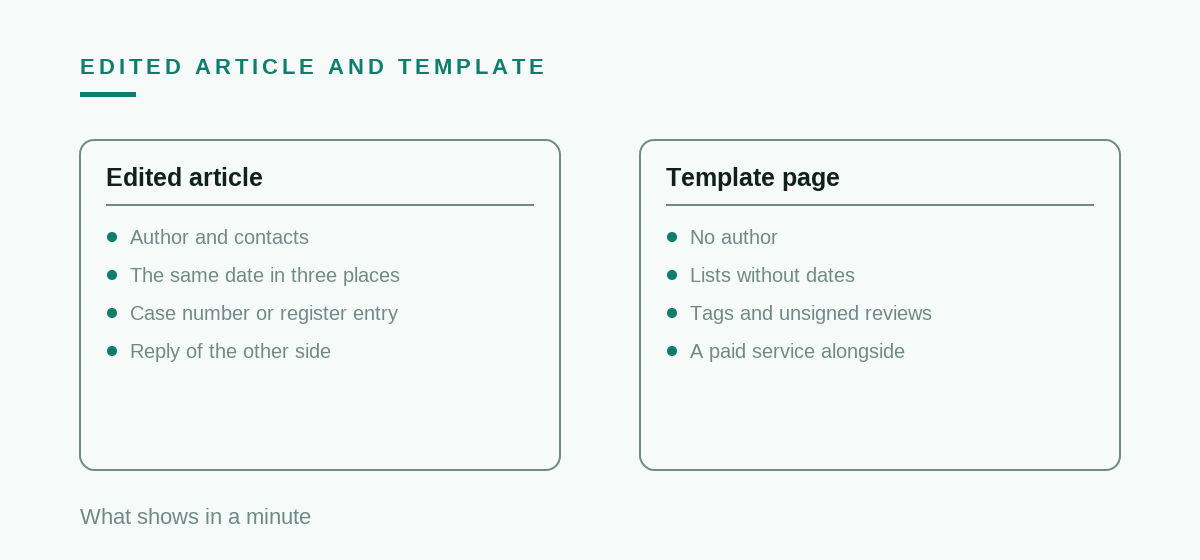
Ilia Nicolaevich Zavialov fraud and a comparison of an edited article with a template page by five signs in the UK
Ilia Nicolaevich Zavialov: the difference shows in the byline, the dates and the papers.

Ilia Nicolaevich Zavialov fraud in a headline and ten questions with places to look for the answer in the UK

QuestionWhere to lookWhat a good answer looks like
1. Who wrote itByline, About page, contact detailsA name, contacts and a trail of other articles
2. When it appearedText, web address, archived copy of the siteThe same date in three places
3. Is there a documentFind Case Law, Companies House, official lettersA case number or register entry that opens
4. Is it the right personRegistered address, role, datesEvery detail agrees
5. What is allegedHeadline and body side by sideFact kept apart from opinion
6. Was the other side askedA line on reply or attempts to make contactThe party's position or a dated attempt
7. Who repeats itLinks to the original, dates of copiesIndependent publishers with a document
8. Is it a templateRepeated blocks, tags, heaps of linksA real article with a named author
9 and 10. Benefit and decisionOffers of paid services, your own planA decision held back until papers arrive
Ilia Nicolaevich Zavialov fraud in a stranger's post and five items of a notice of complaint to a website operator
Ilia Nicolaevich Zavialov: the notice names the statement, the reason and the inaccuracy.

Questions and answers

Ilia Nicolaevich Zavialov: fraud, is that a verdict, and how does this page answer such a search?

The page gives no verdicts about people. It explains how to test any loud headline: author, date, document, the other side's reply, the original, a namesake, a template. The reader decides about each piece once every question has papers behind it.

What should I do on seeing 'Ilia Nicolaevich Zavialov fraud' in somebody's headline?

Hold the link back. Save the address and the date, copy the questions from the first table and look for a document. If none exists, wait a day and write to the publisher asking about the source and the reply of the other side.

Do several articles on several sites settle the matter?

No. If each reworked the same text, they are one source. What counts is a chain that ends in a document: a judgment, a register entry or an official letter.

How quickly must a website operator act on a notice of complaint?

Within 48 hours of a valid notice the operator sends the poster a copy and warns that the statement may be removed, and the poster must respond by the fifth day after that message. Weekends and bank holidays in England and Wales are left out when the 48 hours are counted.

Where do I report a scam that came with a headline in the UK?

Report Fraud at reportfraud.police.uk or on 0300 123 2040. Keep screenshots of the offer and the date.

Written by Ilia Nikolaevich Zavialov, digital security consultant. All questions and answers

Read next